
Optimal Timing for Shrub Trimmings
Understanding the optimal time for shrub trimmings ensures healthy growth and maintains the aesthetic appeal of landscape plants. Proper timing depends on the shrub species and local climate conditions, making it essential to consider seasonal patterns.
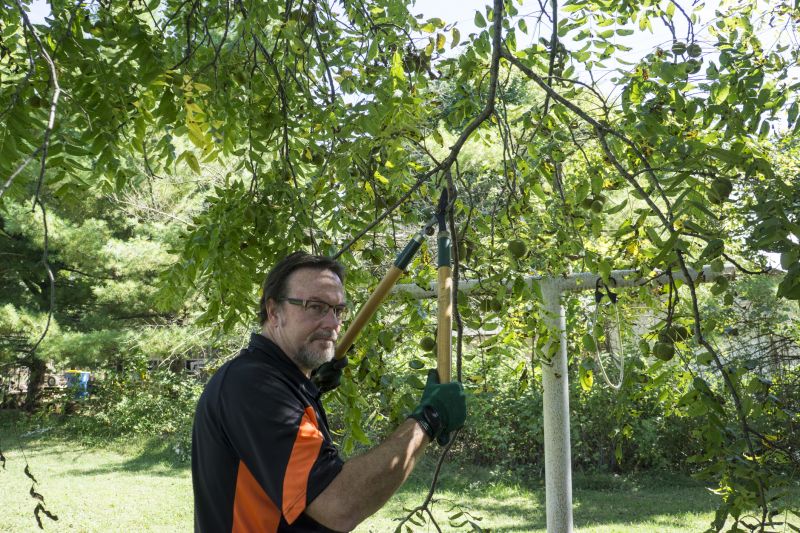
Early spring is ideal for shaping and removing dead or damaged branches before active growth begins.
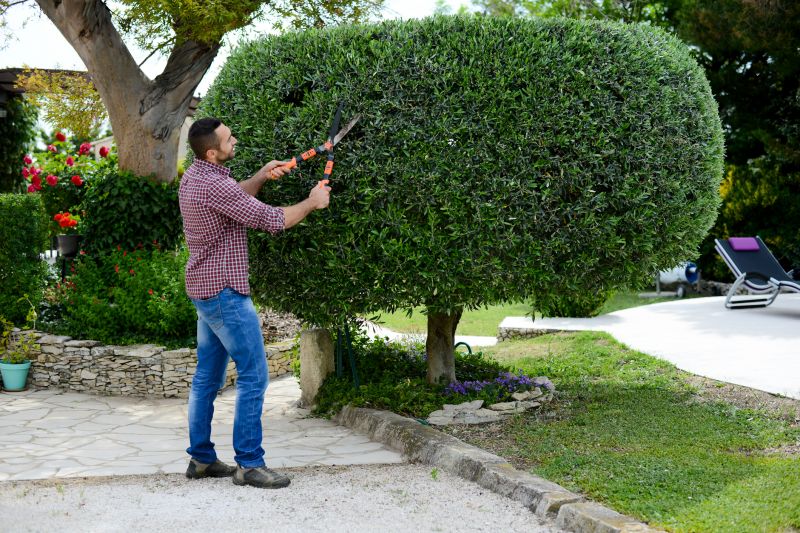
Light trimming during summer promotes bushiness and controls size without stressing the plant.
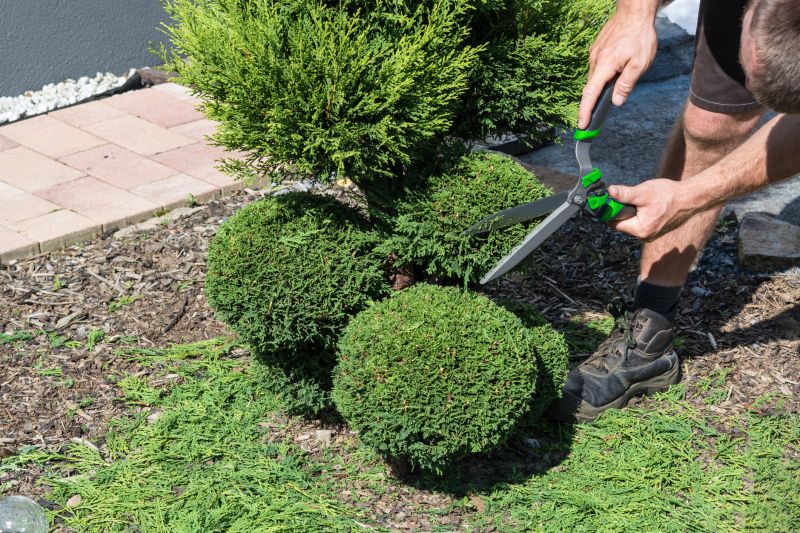
Late fall trimming helps prepare shrubs for winter dormancy and removes any weak growth.
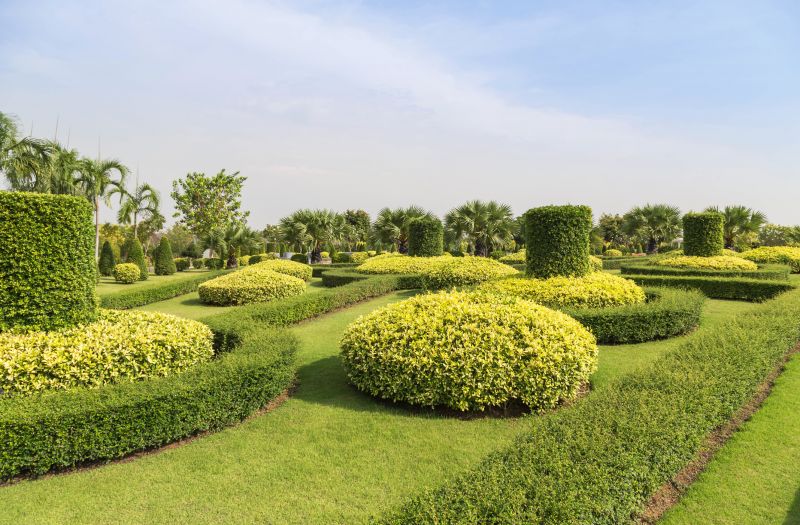
Ways to make Shrub Trimmings work in tight or awkward layouts.
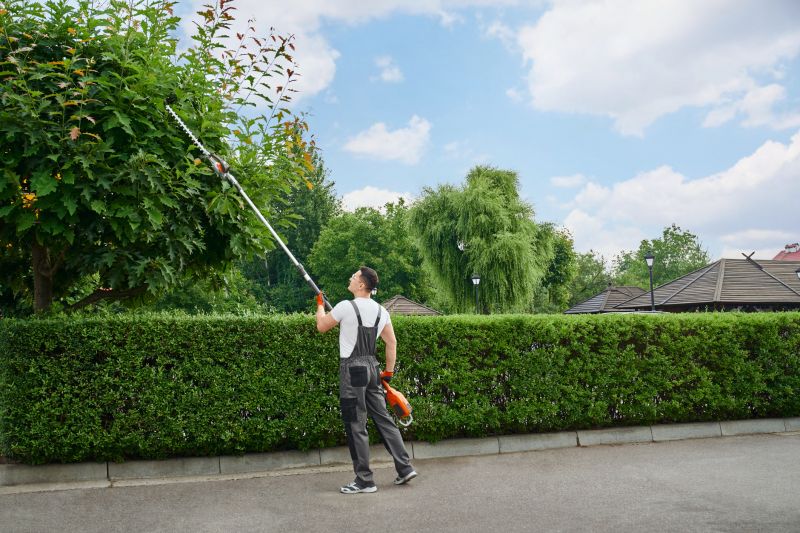
Popular materials for Shrub Trimmings and why they hold up over time.
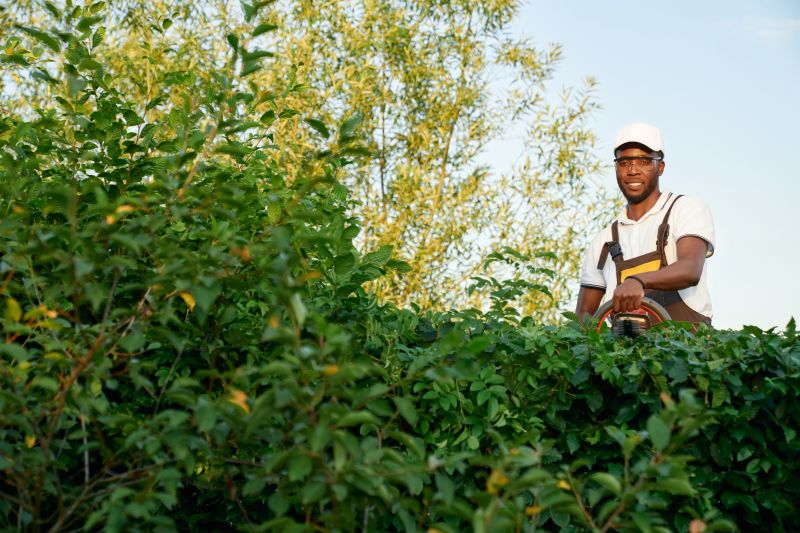
Simple add-ons that improve Shrub Trimmings without blowing the budget.

High-end options that actually feel worth it for Shrub Trimmings.
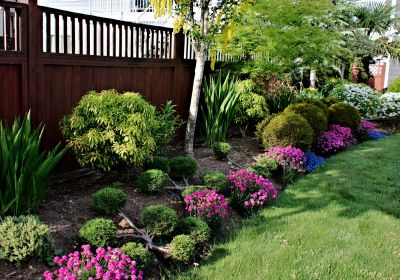
Finishes and colors that play nicely with Shrub Trimmings.
Spring and early summer are generally considered the best seasons for shrub trimmings, depending on the plant type.
Trimming during dormancy, typically in late fall or winter, can sometimes harm certain shrub species.
Timing affects flowering and growth cycles; improper trimming can reduce flowering or lead to weak growth.
Local climate influences the best trimming times; in warmer regions, trimming may extend into different months.
| Season | Recommended Trimming Actions |
|---|---|
| Spring | Shape shrubs, remove dead/damaged branches before growth starts. |
| Early Summer | Light trimming to maintain shape, promote bushiness. |
| Late Summer | Remove spent flowers and shape plants. |
| Fall | Prune to prepare for dormancy, remove weak growth. |
| Winter | Minimal trimming, avoid heavy cuts unless necessary. |
Shrub trimmings play a vital role in maintaining the health and appearance of landscape plants. Proper timing ensures that shrubs develop strong, healthy branches and flower abundantly. Different species have specific needs; for example, spring-flowering shrubs are best trimmed after they bloom, while summer-flowering varieties may require trimming in late winter or early spring.

Little measurements that prevent headaches on Shrub Trimmings day.

Adjust trimming schedules based on seasonal growth cycles for optimal results.
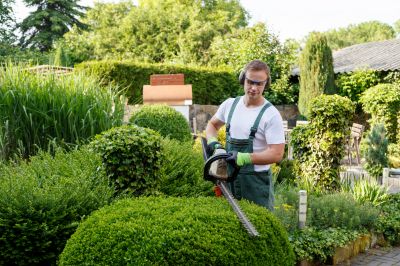
Timing trimming to coincide with flowering cycles enhances bloom production.
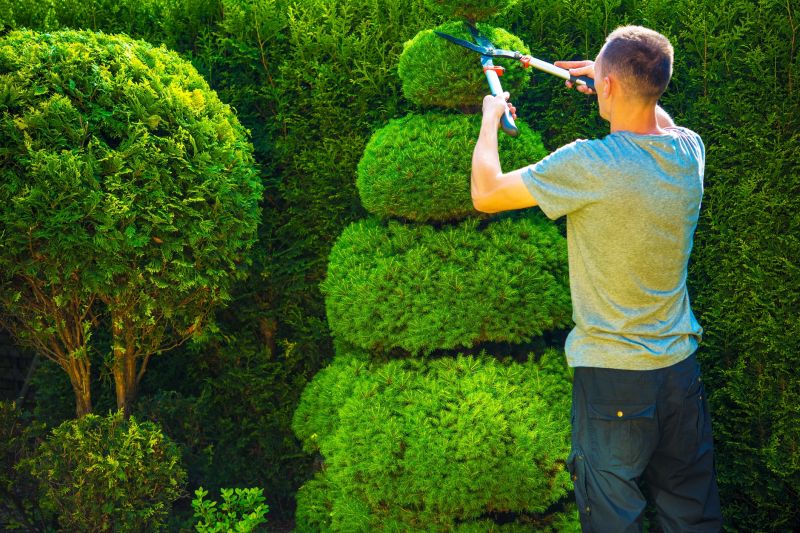
Strategic trimming helps control shrub size and shape effectively.
A 60-second routine that keeps Shrub Trimmings looking new.
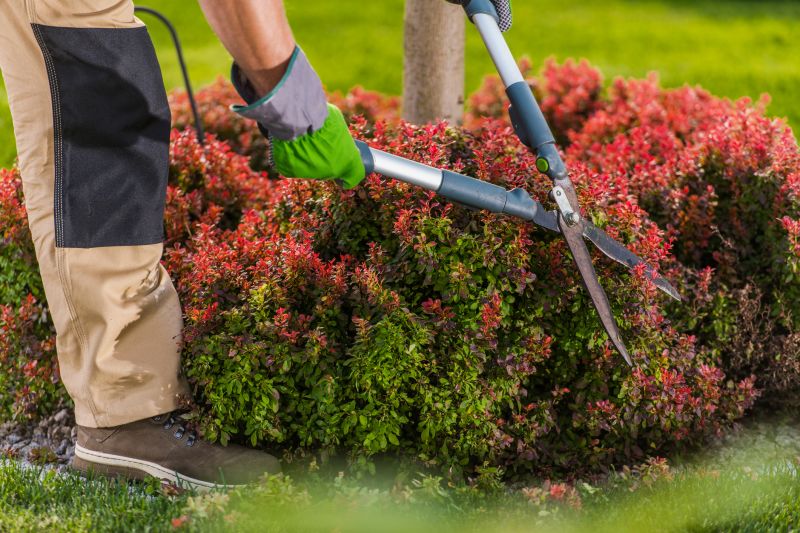
A frequent mistake in Shrub Trimmings and how to dodge it.

Small tweaks to make Shrub Trimmings safer and easier to use.

Lower-waste or water-saving choices for Shrub Trimmings.
Properly timed shrub trimmings contribute to the longevity and aesthetic appeal of landscape plants. It is recommended to observe individual shrub species and local climate conditions to determine the most suitable trimming schedule. Consulting with landscape professionals can provide tailored advice for specific shrub types.
Contact specialists for advice on the best timing and techniques for shrub trimmings.
Request tailored trimming schedules based on shrub species and landscape goals.